


-

Add: HeBei ShengShi HongBang Cellulose Technology CO.,LTD.
-

Email
13180486930@163.com -

CONTACT US
+86 13180486930




Polyolefin fibers, an essential component in the textile and manufacturing industries, have significantly gained attention due to their versatile applications and superior qualities. These fibers, derived from polymers such as polypropylene and polyethylene, offer a unique combination of properties that cater to numerous industrial needs, enhancing both product performance and durability. One of the most significant advantages of polyolefin fibers is their exceptional resistance to moisture. This property makes them an ideal choice for outdoor applications, where exposure to environmental elements like rain and humidity can quickly degrade other materials. For instance, agricultural fabrics designed to protect crops from the elements heavily rely on polyolefin fibers due to their robust water-repellent characteristics, ensuring longevity and consistent performance across seasons. Moreover, the high tensile strength of polyolefin fibers contributes importantly to their value in various industries. Their ability to withstand considerable stress without breaking or deforming makes them suitable for manufacturing high-strength ropes, fishing nets, and even geotextiles used in construction projects. This inherent strength not only extends the lifespan of the products made from these fibers but also enhances their reliability in critical applications, where failure is not an option. A prominent feature of polyolefin fibers is their inherent resistance to chemical attacks. This characteristic is particularly beneficial in environments where exposure to harsh chemicals or solvents is a concern, such as in industrial filtration systems or packaging materials. Products made from polyolefin fibers do not easily degrade when in contact with chemicals, ensuring both product integrity and safety over time. In the arena of sustainability, polyolefin fibers present a commendable profile. They are fully recyclable and contribute less to the overall carbon footprint compared to some other synthetic fibers. Their production process, largely driven by advances in polymer technology, has become more energy-efficient, allowing manufacturers to produce these fibers with reduced environmental impact. This aspect of sustainability positions polyolefin fibers favorably among environmentally conscious businesses aiming to incorporate more eco-friendly materials into their product lines. polyolefin fiber The light-weight nature of polyolefin fibers is another enticing benefit, leading to two major advantages—ease of handling and reduced transportation costs. Their low density results in lighter end products, which is particularly beneficial for applications in the automotive and aerospace industries, where weight reduction translates to improved fuel efficiency and performance. Polyolefin fibers thus contribute to overall cost savings , benefiting both manufacturers and end consumers. While the advantages are clear, incorporating polyolefin fibers into applications requires careful consideration of certain technical properties. Polyolefin fibers have a relatively low melting point compared to other synthetic fibers, which can be a limiting factor in high-temperature applications. However, this limitation is often addressed in innovative ways by blending polyolefin fibers with other materials or using them in environments where their low thermal resistance is not an issue. The expertise and authority of polyolefin fiber production have been greatly advanced by leading companies and research institutions globally. Their focus remains on refining the production processes and enhancing the fiber’s properties to meet the ever-evolving demands of the market. Extensive research and development activities ensure these fibers remain at the forefront of innovation, maintaining their status as a reliable and versatile material choice. Trustworthiness in the field of polyolefin fibers is further reinforced by strict compliance with international standards and certifications, which oversee the quality and environmental impact of these materials. Reputable manufacturers provide comprehensive data and transparency about their products, allowing consumers to make informed decisions based on verified performance metrics. In conclusion, polyolefin fibers represent a remarkable blend of performance, durability, and sustainability, making them indispensable across a variety of industrial sectors. Their distinctive properties provide tangible benefits, from extending product life to reducing environmental impacts, ensuring that polyolefin fibers will continue to be a material of choice for innovative solutions well into the future.
- 40000tons

Production
- 20+years

Experience
- 5000+㎡

Acreage

-
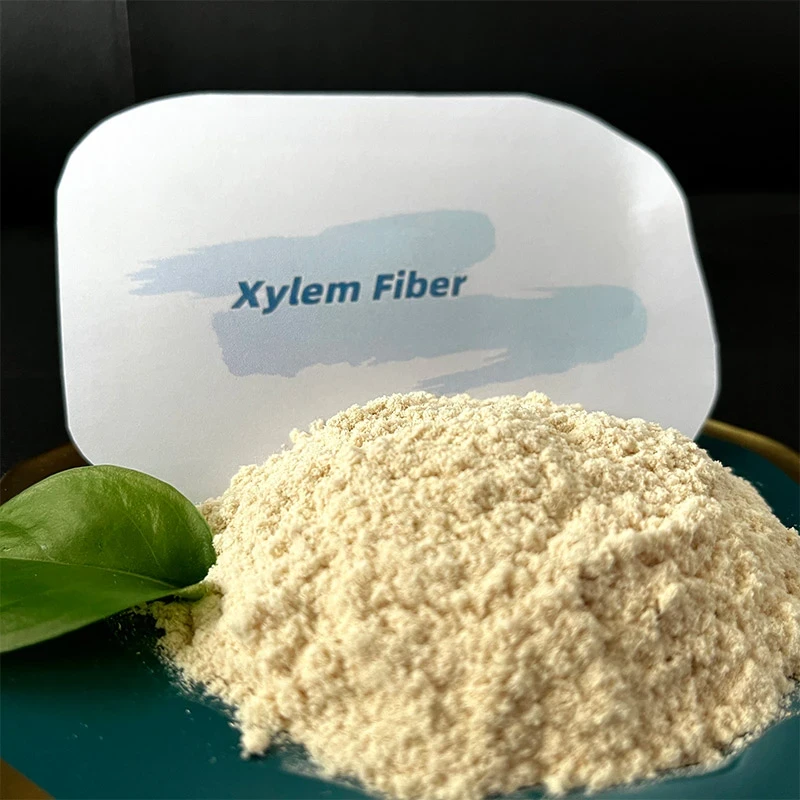
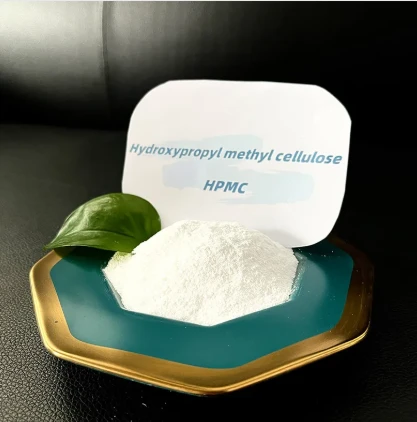
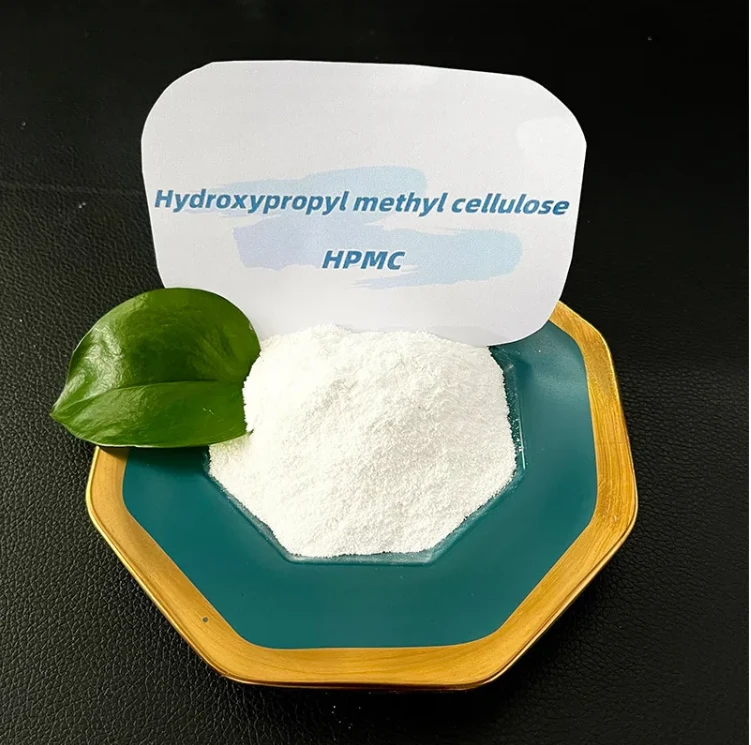
Hydroxypropyl methylcellulose (HPMC) is a versatile, eco-friendly ingredient . This cellulose derivative is known for its exceptional performance in construction. Its unique properties, such as water retention, adhesion, and thickening ability, make it an essential component for improving the quality and durability of products. Whether you're working on building materials, tile adhesives, or wall coatings, hydroxypropyl methylcellulose can elevate the performance and efficiency of your materials. Discover the many benefits of hydroxypropyl methylcellulose and see how it can enhance your business operations. Hydroxypropyl Methylcellulose Uses in Construction In the construction industry, hydroxypropyl methylcellulose uses are critical to improving the quality and performance of building materials. HPMC is widely used in cement-based products such as tile adhesives, plaster, and grout due to its excellent water retention, enhanced workability, and extended open time. By incorporating hydroxypropyl methylcellulose into your construction materials, you can improve adhesion, reduce cracking, and increase the durability of your products. Hydroxypropyl methylcellulose uses in construction also include its role as a binder and thickener in paints and coatings, where it helps create a smooth, consistent finish. Enhance your construction projects with the superior properties of hydroxypropyl methylcellulose . Find the Best Hydroxypropyl Methylcellulose Price for Your Budget When looking for hydroxypropyl methylcellulose price , it’s important to find a supplier that offers high-quality products at competitive rates. The hydroxypropyl methylcellulose price can vary depending on the grade, quantity, and application, but you can trust us to provide transparent pricing that fits your budget. Our prices reflect the quality and reliability of the material, ensuring that you get the best value for your investment. Whether you need small quantities or large volumes, we offer affordable solutions without compromising on quality. Contact us today to learn more about our hydroxypropyl methylcellulose price and how we can support your projects. Reliable Hydroxypropyl Methylcellulose Suppliers for Your Needs Finding trustworthy hydroxypropyl methylcellulose suppliers is crucial for ensuring the success of your projects. As one of the leading hydroxypropyl methylcellulose suppliers , we provide a wide range of high-quality HPMC products designed to meet the diverse needs of various industries. Our hydroxypropyl methylcellulose is sourced from reputable manufacturers and undergoes rigorous quality control to ensure consistency and performance. Whether you're in construction, pharmaceuticals, or another industry, we are your go-to partner for reliable, top-grade HPMC. With our fast delivery, competitive pricing, and expert customer service, we make sourcing hydroxypropyl methylcellulose easy and hassle-free. Why Choose Us for Your Hydroxypropyl Methylcellulose Needs? When it comes to hydroxypropyl methylcellulose , you need a supplier you can trust. We are committed to providing the highest quality HPMC products at the best hydroxypropyl methylcellulose price . Our expertise in the field ensures that we meet the specific requirements of our customerss. As leading hydroxypropyl methylcellulose suppliers , we offer a wide range of grades to suit your needs, backed by excellent customer support and fast, reliable shipping. Choose us for all your hydroxypropyl methylcellulose requirements and experience the difference in quality, price, and service.
-
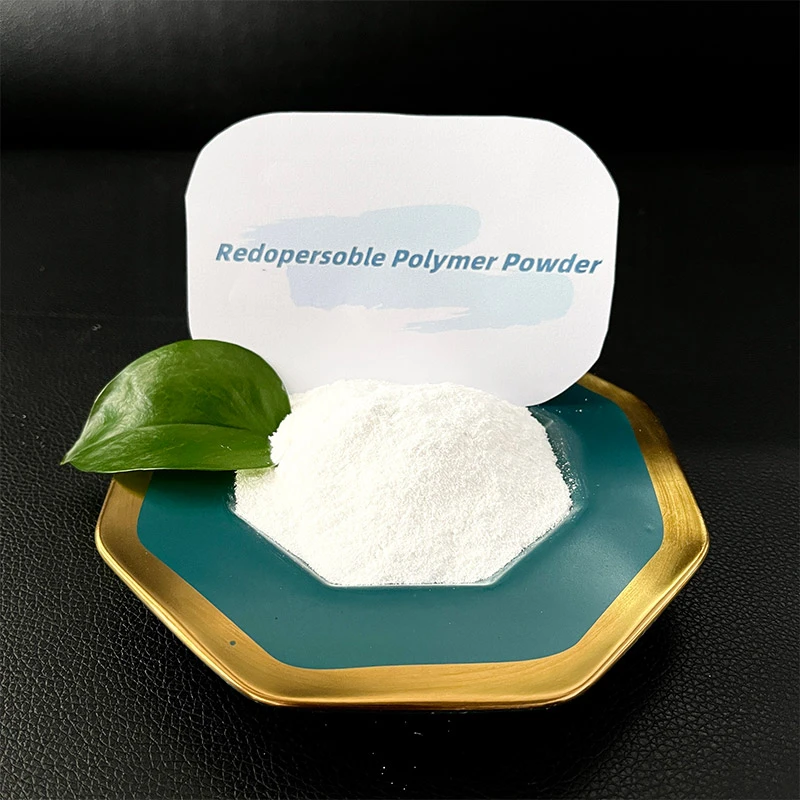
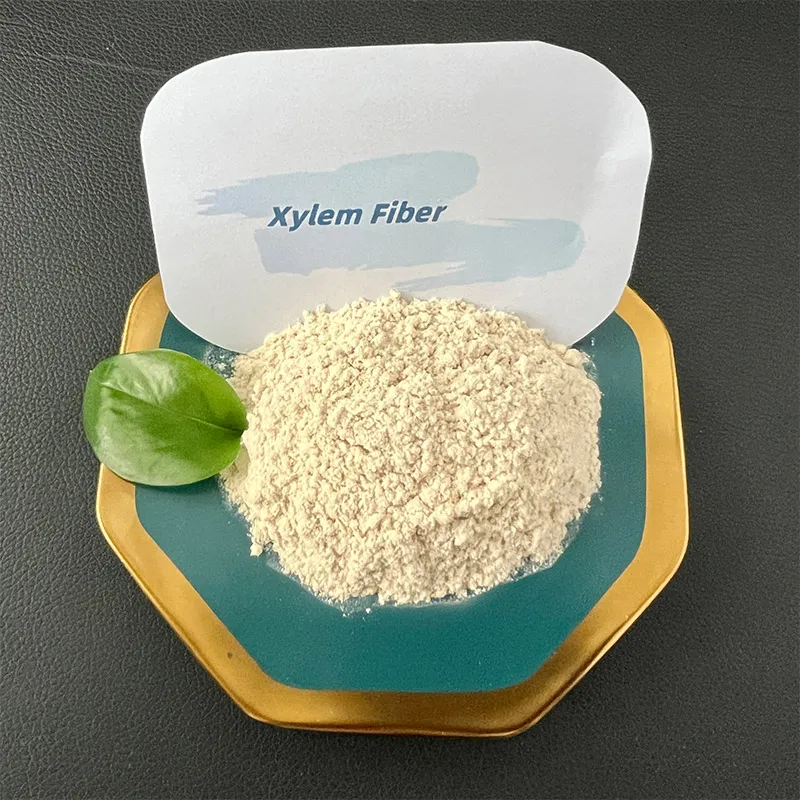
In a world focused on sustainability, wood cellulose is emerging as a top choice for eco-friendly building materials and insulation solutions. Derived from the fiber found in wood, wood cellulose offers exceptional thermal and sound insulation properties while being a renewable and biodegradable resource. Whether you are looking to build or retrofit your home, wood cellulose provides an environmentally responsible option that helps you reduce your carbon footprint and enjoy long-term comfort. What is Wood Cellulose? Understanding This Eco-Friendly Material What is wood cellulose exactly? It is a natural polymer found in the cell walls of plants, primarily in wood. Wood cellulose is made up of long chains of glucose molecules, which provide strength and rigidity to plants. This versatile material can be processed and used for a variety of applications, including as an effective insulation material. It’s biodegradable, recyclable, and an ideal choice for those who prioritize sustainability in their construction and insulation projects. Wood Cellulose Insulation: A Smart Choice for Your Home When it comes to insulation, wood cellulose insulation stands out as a highly effective and environmentally friendly option. Made from recycled wood fibers, wood cellulose insulation provides excellent thermal performance by trapping air and minimizing heat loss. It also offers superior soundproofing properties, making it a great choice for homes and buildings in noisy environments. Unlike traditional insulation materials, wood cellulose insulation is treated to be fire-retardant and resistant to pests, ensuring durability and safety for years to come. It’s time to make your home more energy-efficient with the natural power of wood cellulose insulation . Difference Between Sawdust and Wood Cellulose: Key Features You Need to Know While both sawdust and wood cellulose come from wood, there are significant differences between the two. Sawdust is a byproduct of cutting or grinding wood and is often used in manufacturing or as animal bedding. On the other hand, wood cellulose is the fibrous material extracted from the wood itself and is used for more specific applications such as insulation. The key difference between sawdust and wood cellulose is that wood cellulose is processed to remove impurities and can be treated for fire resistance and enhanced durability, making it a far superior material for insulation purposes. Choose wood cellulose for a greener, safer, and more efficient solution than sawdust. Why Choose Wood Cellulose for Your Next Building Project? If you’re looking to make your home or office more energy-efficient and eco-friendly, wood cellulose is the perfect solution. Whether you’re installing wood cellulose insulation in your attic, walls, or floors, or using wood cellulose in other applications, you can count on its excellent performance. With its sustainable nature, durability, and impressive insulating properties, wood cellulose is the future of green building materials. It’s time to embrace the natural benefits of wood cellulose and enjoy a more comfortable, energy-efficient, and environmentally responsible space. Wood Cellulose FAQs What is wood cellulose and how is it made? Wood cellulose is a natural fiber derived from the cell walls of trees and plants. It is made by processing wood to extract the cellulose fibers, which are then used in various applications such as insulation or paper production. The process involves removing the lignin and other non-cellulose components from the wood, leaving behind the strong, fibrous cellulose that provides structure and rigidity. What is wood cellulose insulation and why is it better than traditional insulation? Wood cellulose insulation is a sustainable insulation material made from recycled wood fibers. It offers superior thermal performance and excellent soundproofing capabilities, making it ideal for homes and commercial buildings. Unlike traditional fiberglass insulation, wood cellulose insulation is made from natural, renewable resources and is treated to resist fire, pests, and mold, making it a safer and more durable option. What is the difference between sawdust and wood cellulose? The main difference between sawdust and wood cellulose lies in their composition and use. Sawdustis a fine powdery byproduct created when wood is cut or sawed, often used in manufacturing or as bedding material. In contrast, wood cellulose is extracted directly from the wood fibers and is processed for specialized applications, particularly as insulation. Wood cellulose is more refined, treated for durability, and better suited for high-performance uses like insulation. How does wood cellulose insulation help with energy efficiency? Wood cellulose insulation is known for its superior thermal resistance, meaning it effectively prevents heat from escaping during the winter and keeps your home cool during the summer. By trapping air and reducing the flow of heat, it helps maintain a stable indoor temperature and reduces the need for heating or cooling, leading to lower energy bills and improved energy efficiency in your home or building. Can wood cellulose be used in all types of buildings? Yes, wood cellulose can be used in almost any type of building, from residential homes to commercial properties. It is ideal for a wide range of construction projects, particularly in those focused on sustainability and energy efficiency. Whether you're building new structures or retrofitting older homes, wood cellulose insulation is a versatile and eco-friendly option that works in walls, attics, floors, and more.
advantages
-

200000 Viscosities
Excellent product
We can produce pure products up to 200,000 viscosities
-

40000 tons
High yield
We don’t stop production all year round, and the annual output can reach 40,000 tons
-

24 hours
Quality service
We provide 24-hours online reception service, welcome to consult at any time
———— Inquiry Form
Schedule A services
- poudre_d_hydroxypropylmethylcellulose
Oct . 25, 2025
About the Author Dr. Emily Chen , PhD in Material Science with 15 years of experience in cellulose t -
 hibla_ng_xylem
Oct . 25, 2025
Starch derivatives are a vital component in a myriad of industries, offering versatility and functio -
 hydroxypropyl_methylcellulose_use
Oct . 25, 2025
In the rapidly evolving world of pharmaceutical and health supplement manufacturing, the demand for


